Hello, Comrades!
Today, we'd like to expand on a topic recently announced by journalists and video bloggers from the flight simulation community. Specifically, we'd like to talk in more detail about the aircraft we plan to implement for IL-2 Great Battles in 2026.
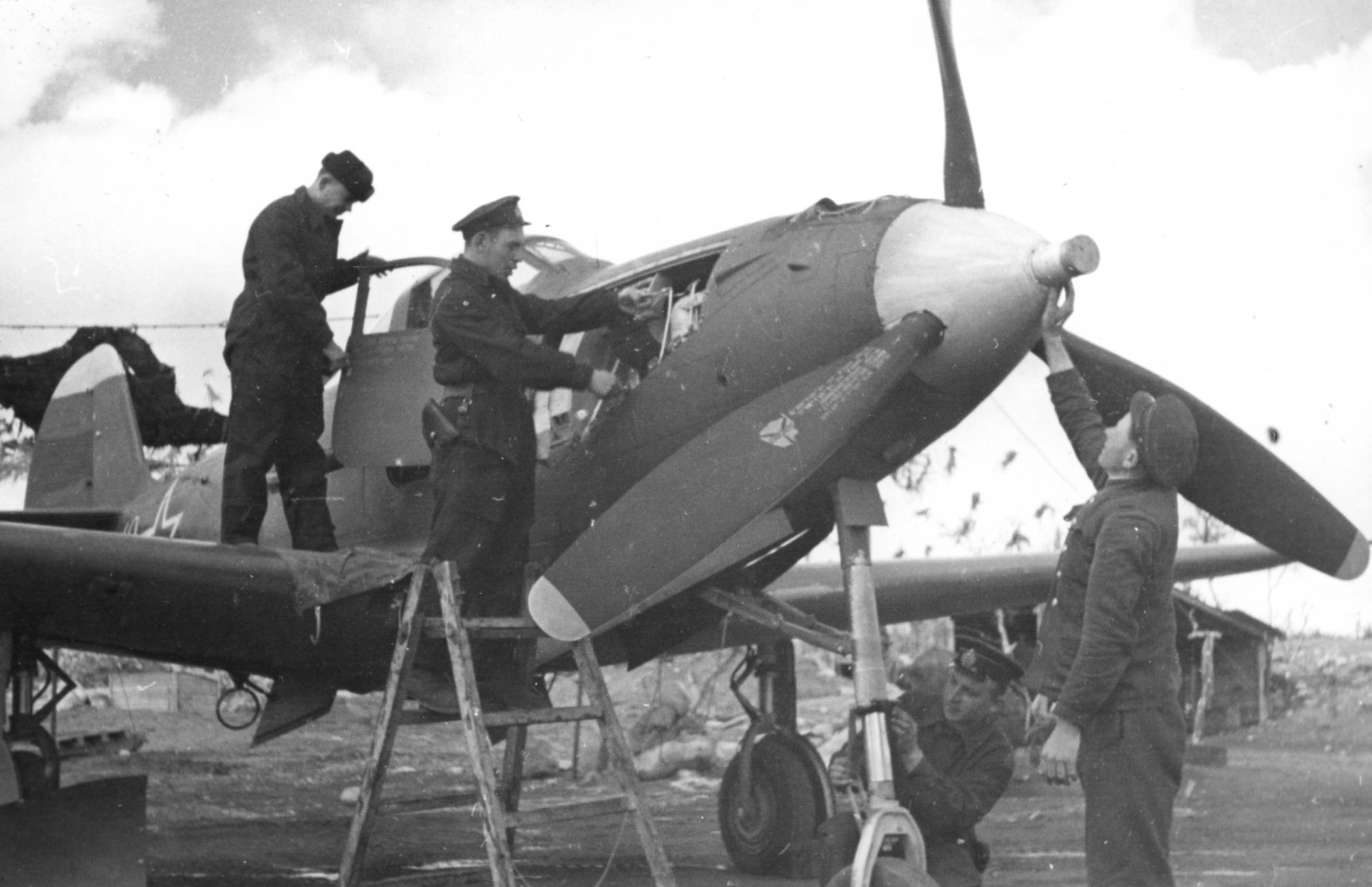
Let's start with fighters, and the first one is the Bell P-39Q-15 Airacobra. It's well known that the Soviet Union was the primary user of the P-39 during World War II. However, some Airacobras were used by the U.S. Army Air Forces in the Pacific theater, including during the famous Battle of Guadalcanal in 1942. P-39s with the 99th Fighter Squadron also saw action in North Africa in 1944. The Q-15 modification differs from the previous L-1 in that it features a higher-altitude version of the Allison V-1710-85 engine. It replaces the Curtis Electric propeller with an Aeroproducts Hydromatic, which offers faster hydraulic pitch control. In terms of armament, this modification differed in that the four .303-caliber machine guns were replaced with two large-caliber Browning .50 caliber machine guns. In practice, the Soviet Air Force often removed these wing-mounted .50 caliber machine guns to reduce aircraft weight, and this option will be included in the game. Thus, the maximum possible forward armament was four .50-caliber machine guns and a short-barreled M4 37 mm automatic cannon. Other notable differences include replacing the rear armored glass with a steel armored headrest, which provides improved protection. However, better protection came at the expense of reduced rear visibility, so in practice, this headrest was often removed, and this modification will also be included in the game.
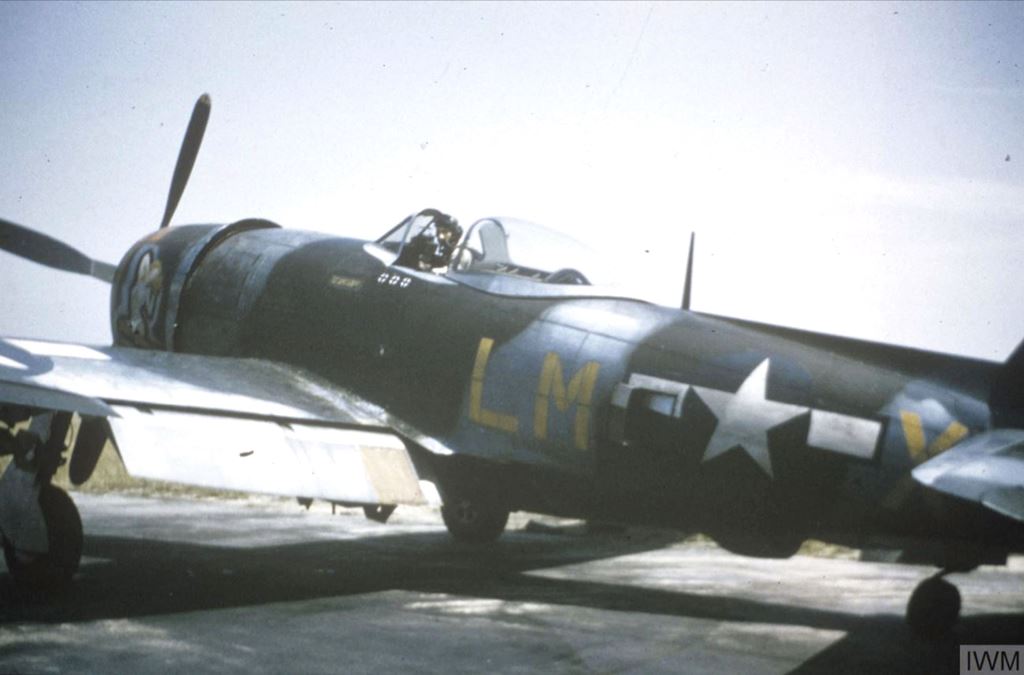
The second fighter will be the Republic P-47M Thunderbolt. The heavy Thunderbolt was the U.S. Army Air Force's workhorse fighter-bomber in the European Theater. The M modification, however, was more focused on fighter and interceptor roles. This modification featured a more powerful Pratt & Whitney R-2800-57 engine, with takeoff power of 2,100 hp and 2,800 hp with water-methanol injection. In the base version of the P-47M, two of the eight .50-caliber machine guns were removed to lighten the aircraft and improve its performance, but they could be reinstalled, and this modification will be included in the game. To improve directional stability, the empennage was equipped with a dorsal fillet. Interestingly, all Thunderbolts of this modification were in service with the 56th Fighter Group (the "Zemke Wolf Pack") during World War II. The group is renowned for flying P-47s in various configurations throughout the war and for achieving the highest number of victories in the 8th Air Force. Three of the top five most successful U.S. aces in the European theater - Francis Gabreski, Robert S. Johnson, and Hubert Zemke - fought with this group.
Let's move on to the four aircraft comprising the new Bomber Pack DLC. And, naturally, they are all multi-engine, multi-seat combat aircraft.
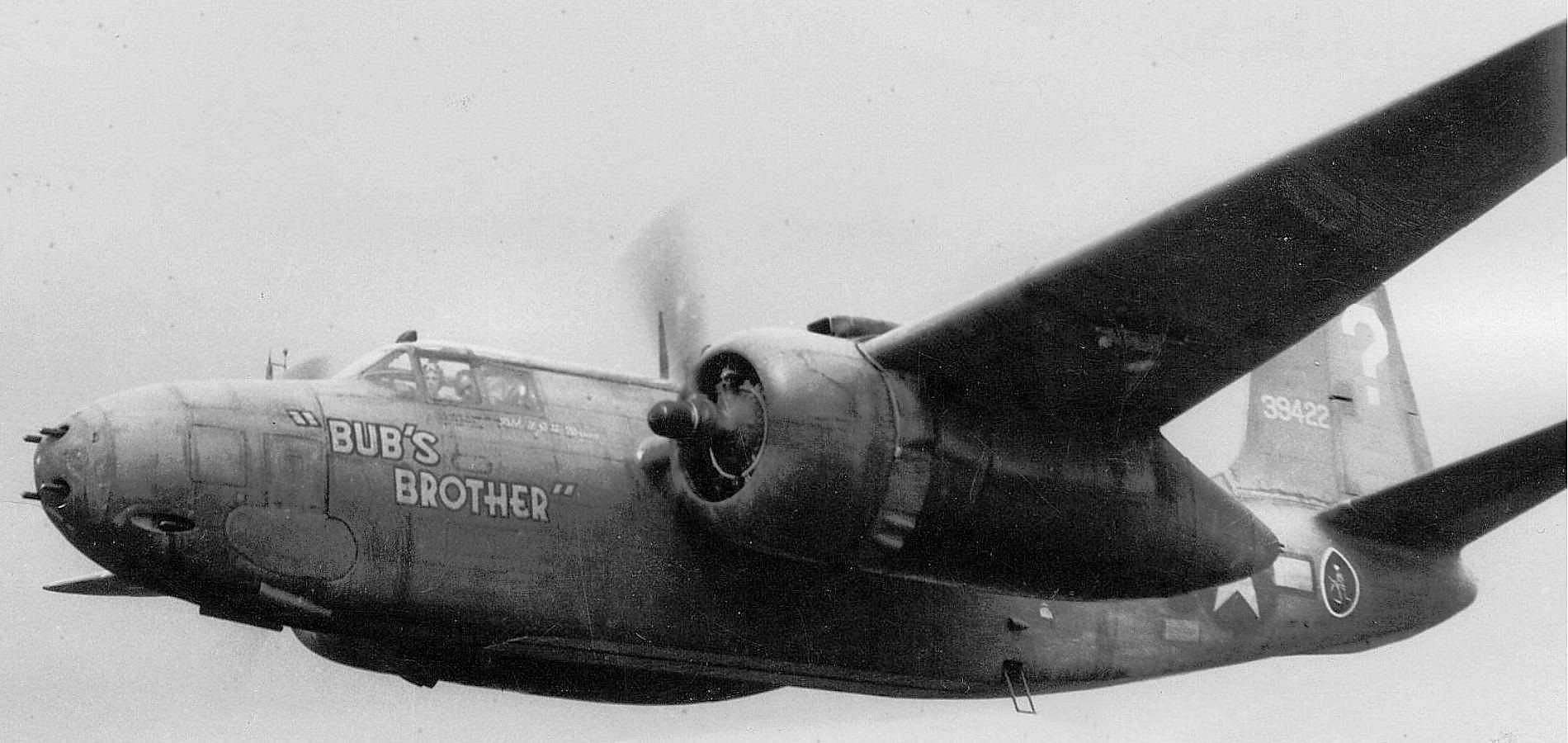
The first of these is the Douglas A-20G-25 Havoc. Unlike the A-20B previously designed for Great Battles, this modification was equipped with powerful forward-facing armament in the form of an "Attack Nose" instead of a navigator's cockpit, housing four M2 .50 heavy machine guns in addition to the two standard ones. The glass nose with a navigator's cockpit will still be available as a modification, so in addition to the A-20G, you'll also get the A-20J modification. Instead of a dorsal machine gun mount with a single .50-caliber machine gun, these aircraft were equipped with a Martin electric turret mount with two heavy machine guns. The ventral machine gun mount with a .303-caliber light machine gun has been replaced with a mount for a .50-caliber heavy machine gun. The pilot's cockpit in this modification was equipped with bulletproof glass. In the basic version, the aircraft will be presented as an American aircraft with American bomb armament, which took part in battles in the skies over Europe and the Pacific. Interestingly, the A-20J, equipped with a navigator-bombardier cockpit, was usually the leader, while the A-20G wingmen, without such equipment, dropped their bombs on the leader’s command. The game will also feature a Soviet modification of the aircraft with Soviet bomb armament and an external mount for anti-ship torpedoes! In the Soviet version, the aircraft's crew included a navigator, who, however, was located in the rear cockpit in the ventral gunner's position. The ventral machine gun was replaced with a standard OPB-1 bombsight.
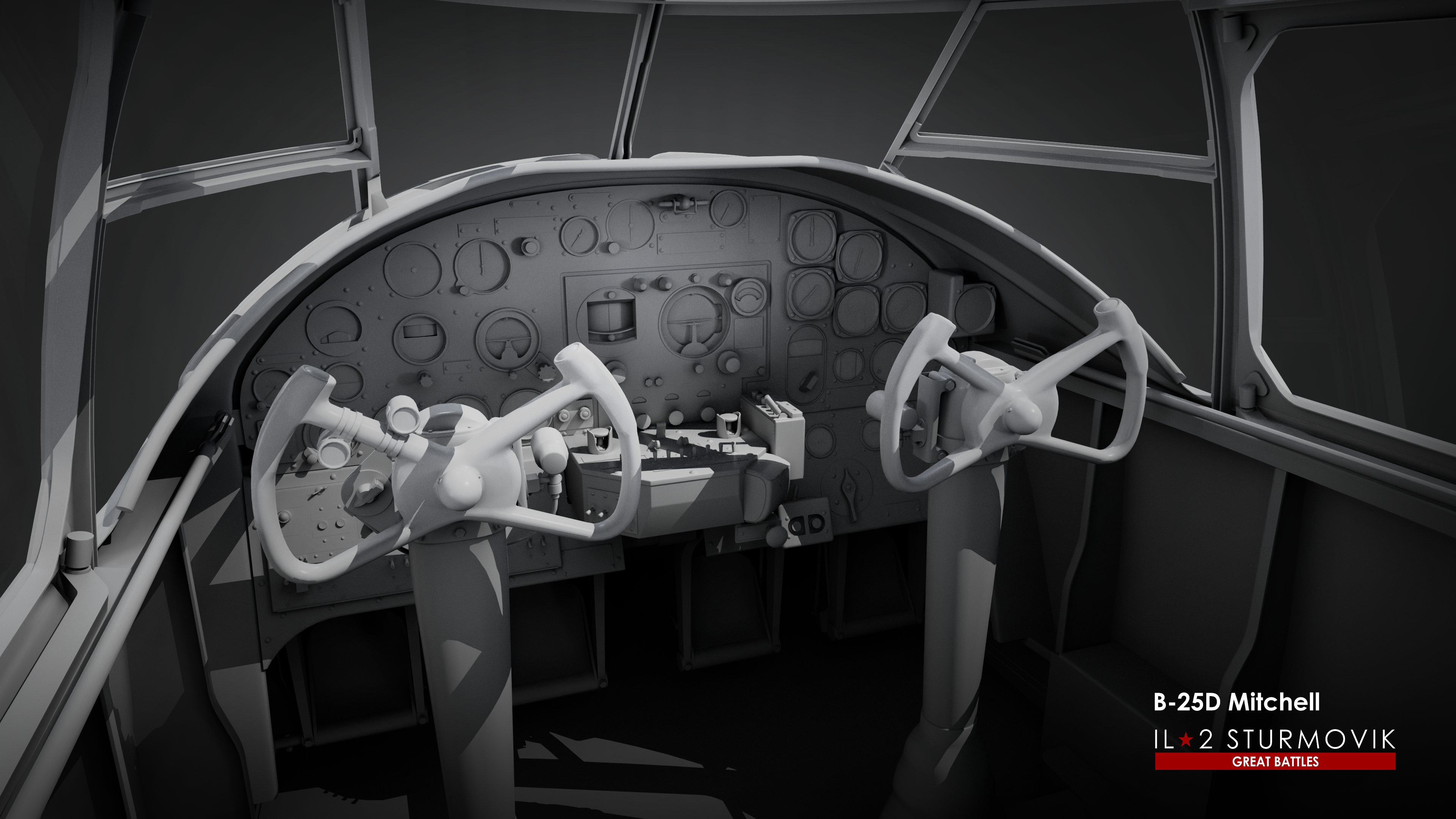
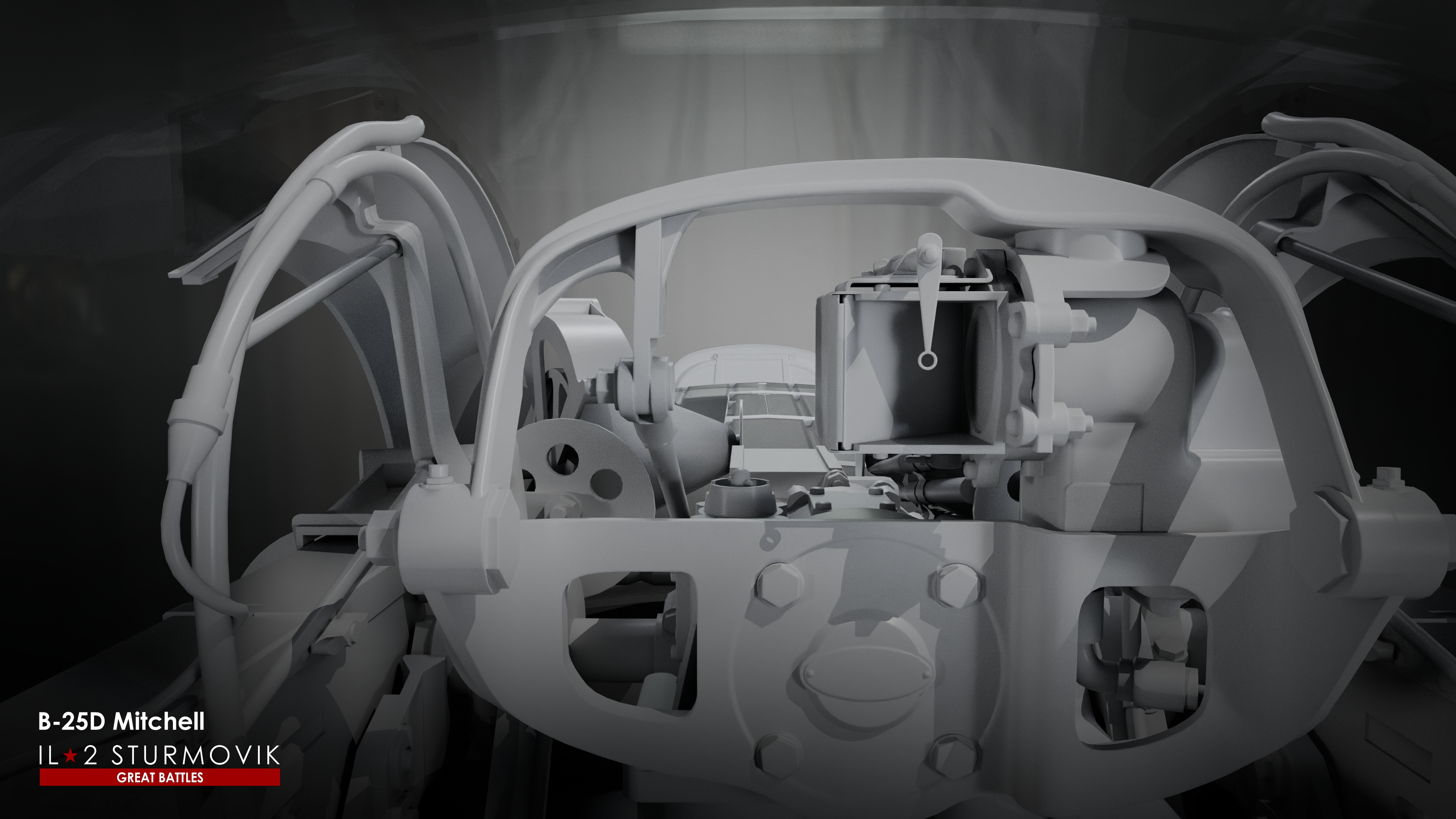
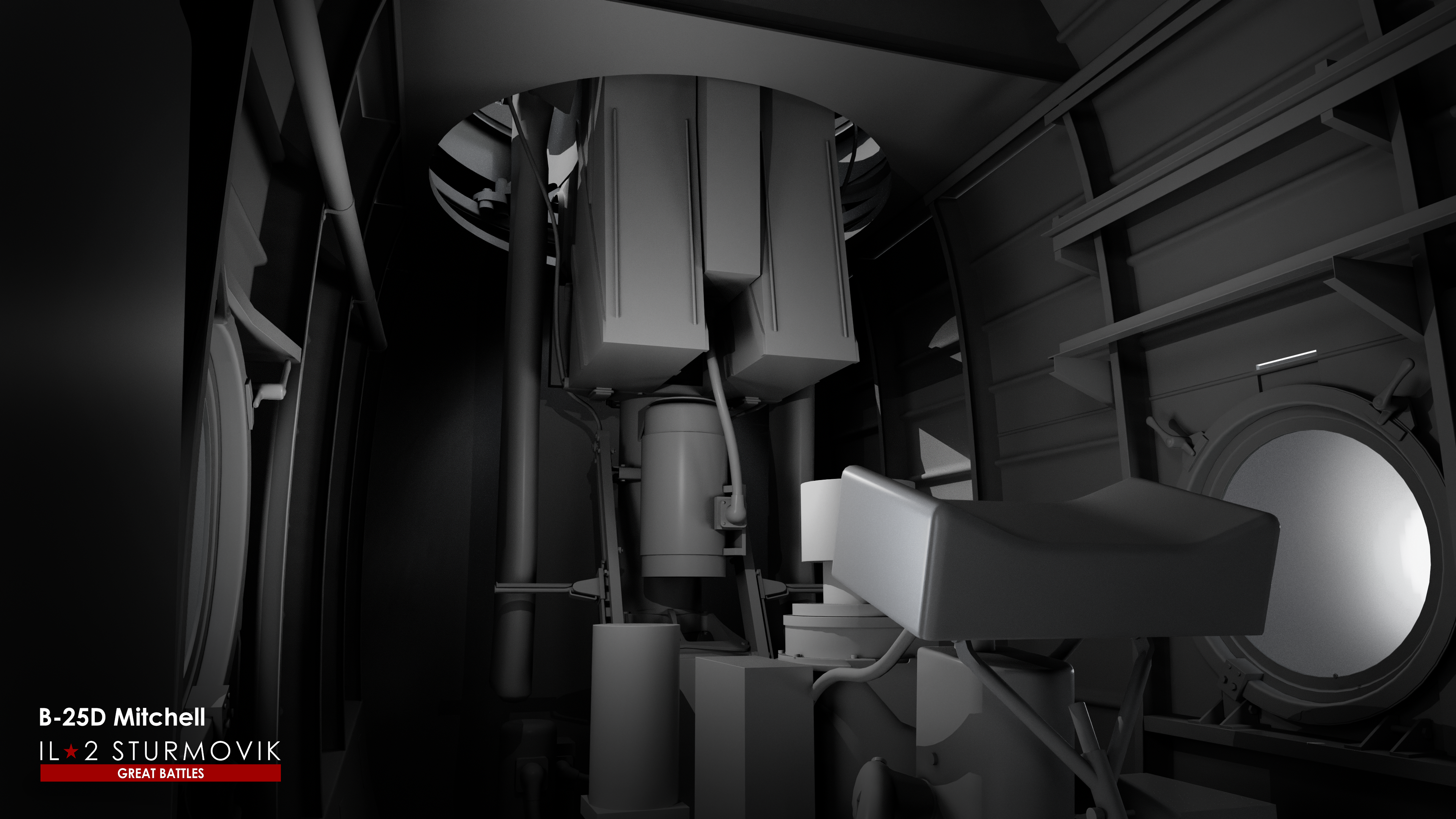
The second bomber is the North American B-25C/D Mitchell. There's probably no point in describing where the Mitchell fought, as it fought everywhere: on the European, Pacific, and Eastern Fronts. This bomber has been featured in Great Battles since the release of Battle of Bodenplatte as an AI-controlled aircraft. We've long talked about the possibility of one day making it controllable by players. And now that moment is coming. In the base version, the aircraft will be represented as a U.S. Army Air Force bomber with the appropriate instrumentation, bomb armament, and Norden sight. A Soviet version with Soviet bombs and an NKPB sight will also be featured. On the Eastern Front, the Mitchell was used primarily in long-range night bomber squadrons from late 1942 until the victory. Thus, in Great Battles, the B-25 will take part in the Battle of Kuban, Battle of Odessa, Battle of Leningrad, Battle of Normandy, and Operation Bodenplatte module timeframes.
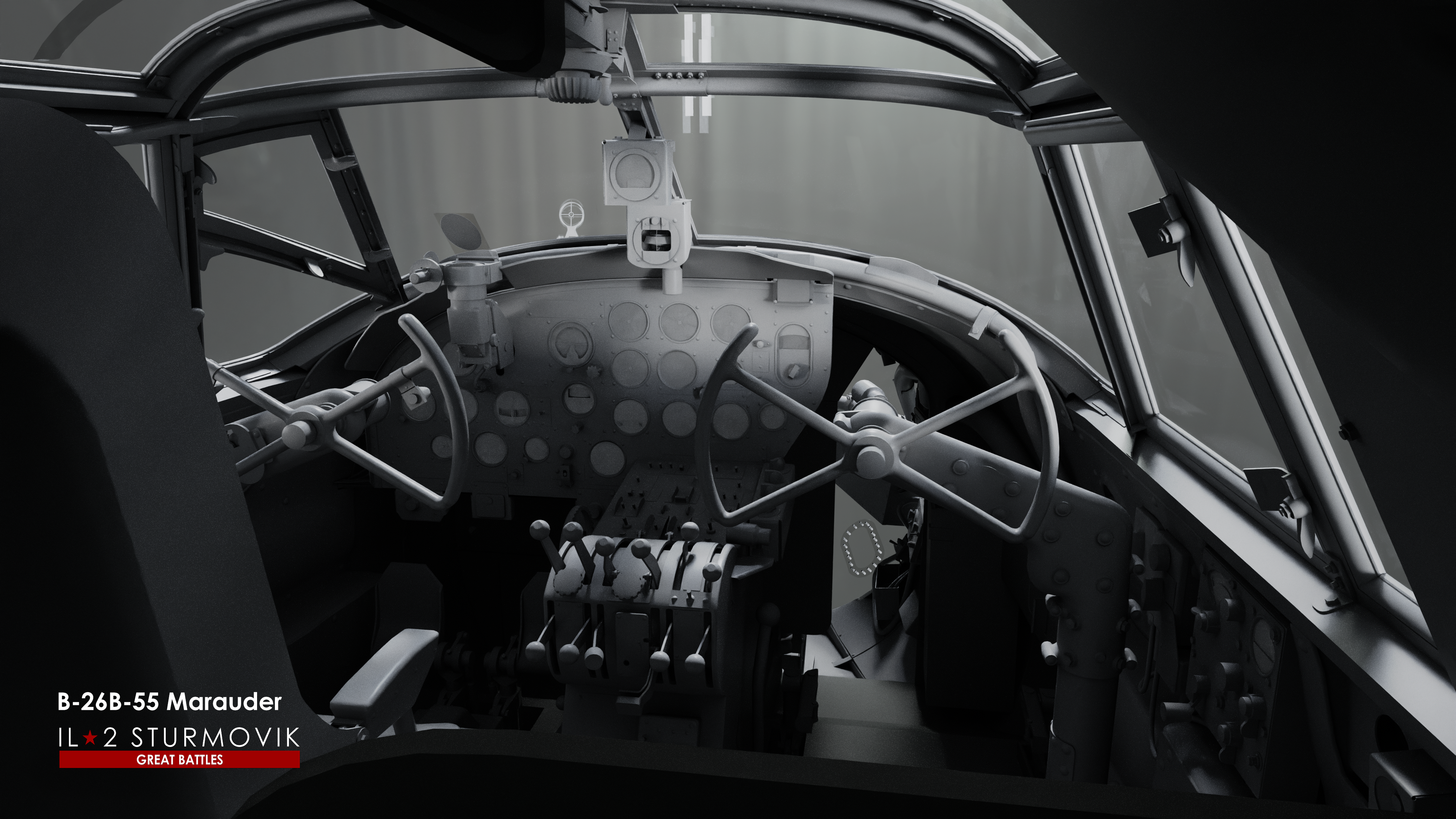
The third multi-seat aircraft of 2026 is the Martin B-26B-55 Marauder. We added it as AI-controlled aircraft for the Battle of Normandy project. Like the Mitchell, many wanted to pilot it, which will become possible this year. This is one of the most controversial and simultaneously successful U.S. medium bombers. On the one hand, it earned a reputation as a "widow maker," with many young crews suffering catastrophic crashes due to demanding flight controls. At the same time, this aircraft suffered the fewest combat losses. It could be said that the saying "hard to train, easy to fight" is especially applicable to this aircraft.
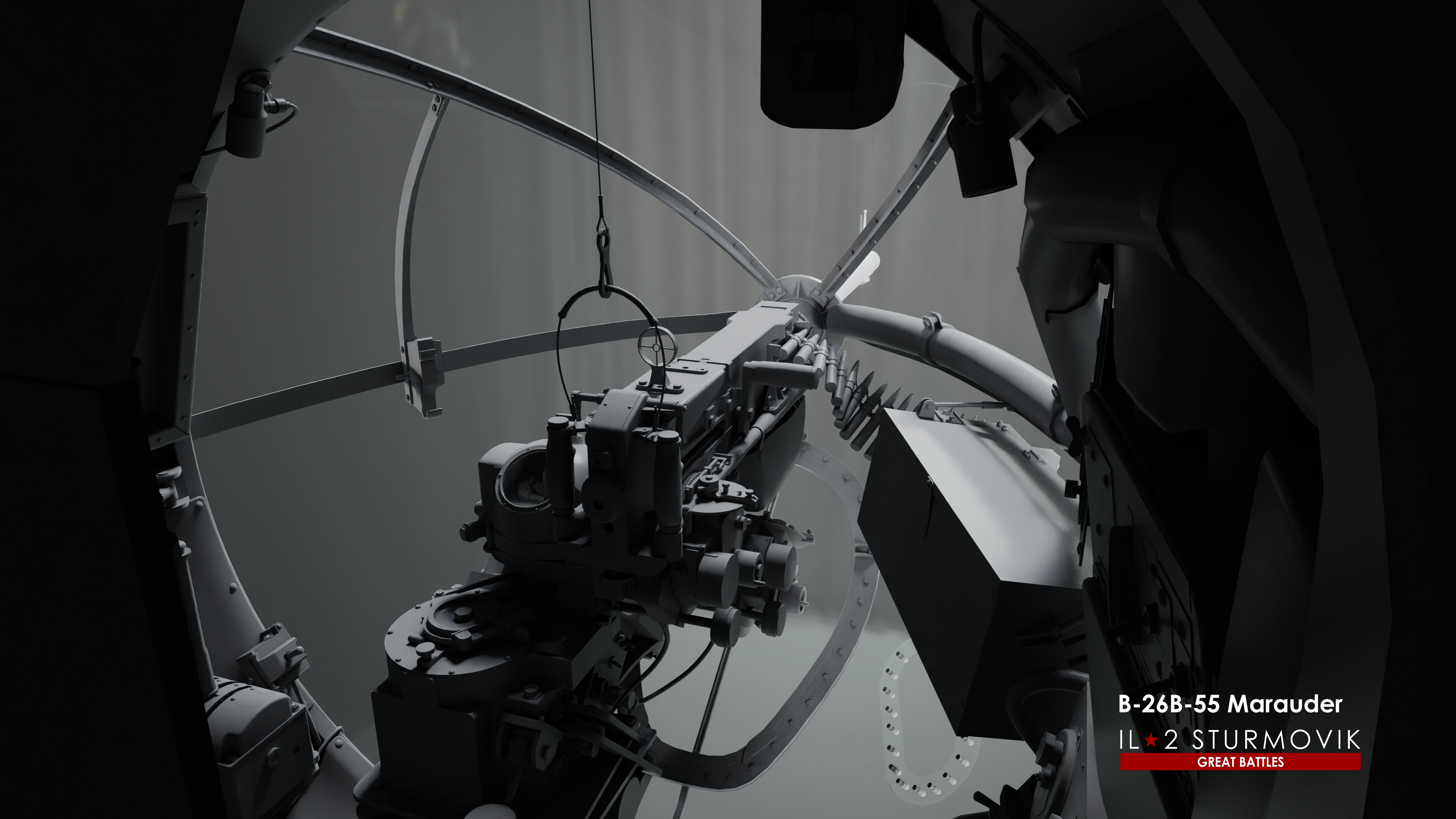
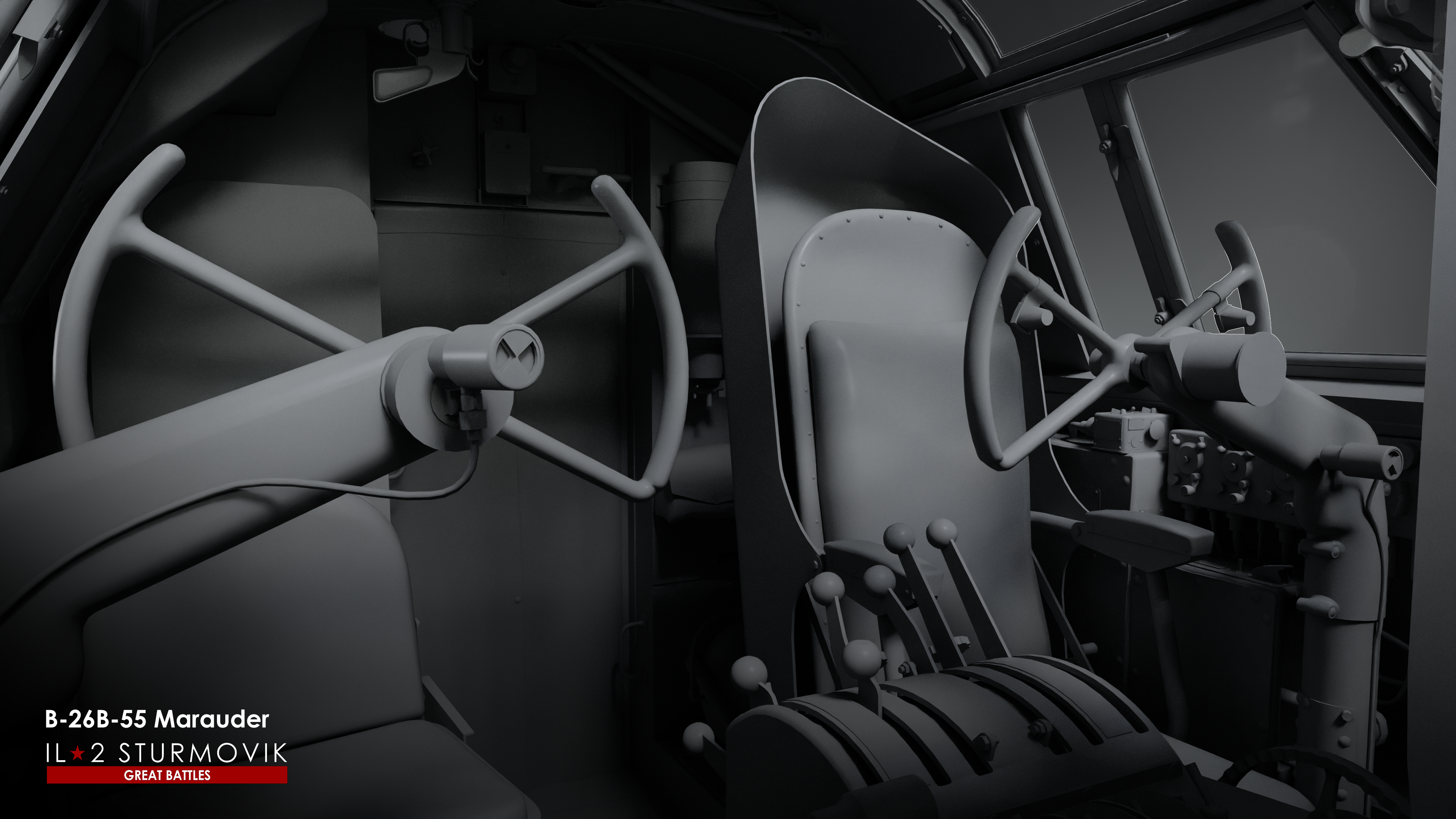
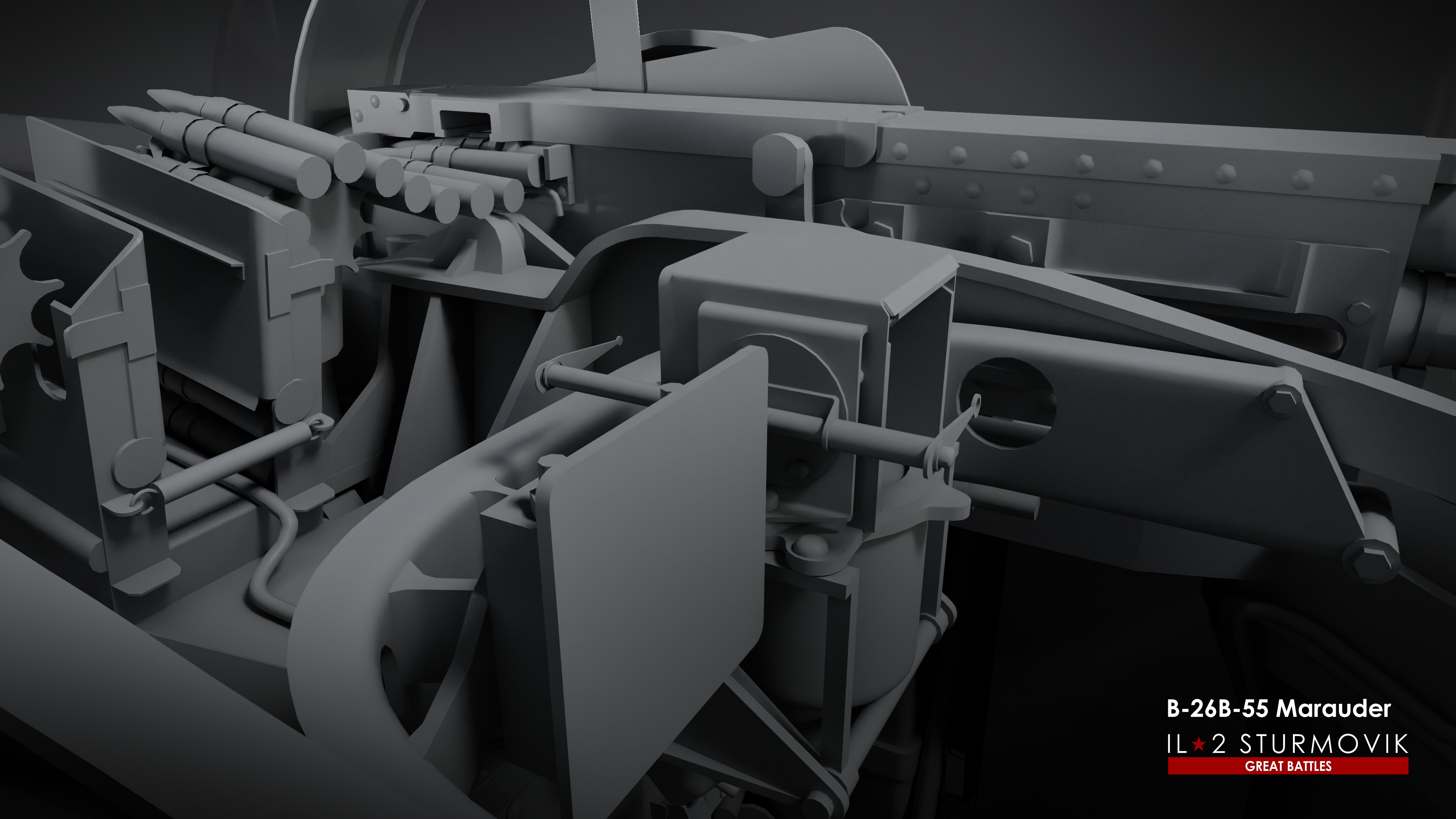
This bomber began its combat career in the Pacific during the attack on Rabaul in April 1942. They even took part in the Battle of Midway. But the Marauder's combat history is primarily associated with the European theater. The aircraft's lower combat losses compared to other medium bomber types are primarily due to its higher speed. It also boasts a formidable defensive armament of seven M2 .50 heavy machine guns: one in the nose, two in a dorsal turret, two in a twin mount at the rear, and two in dedicated hatches on the sides. Additionally, the aircraft had a substantial forward-firing battery of four heavy machine guns, which were sometimes removed in practice to lighten the load and further increase the aircraft speed. This modification will be featured in the game as well.
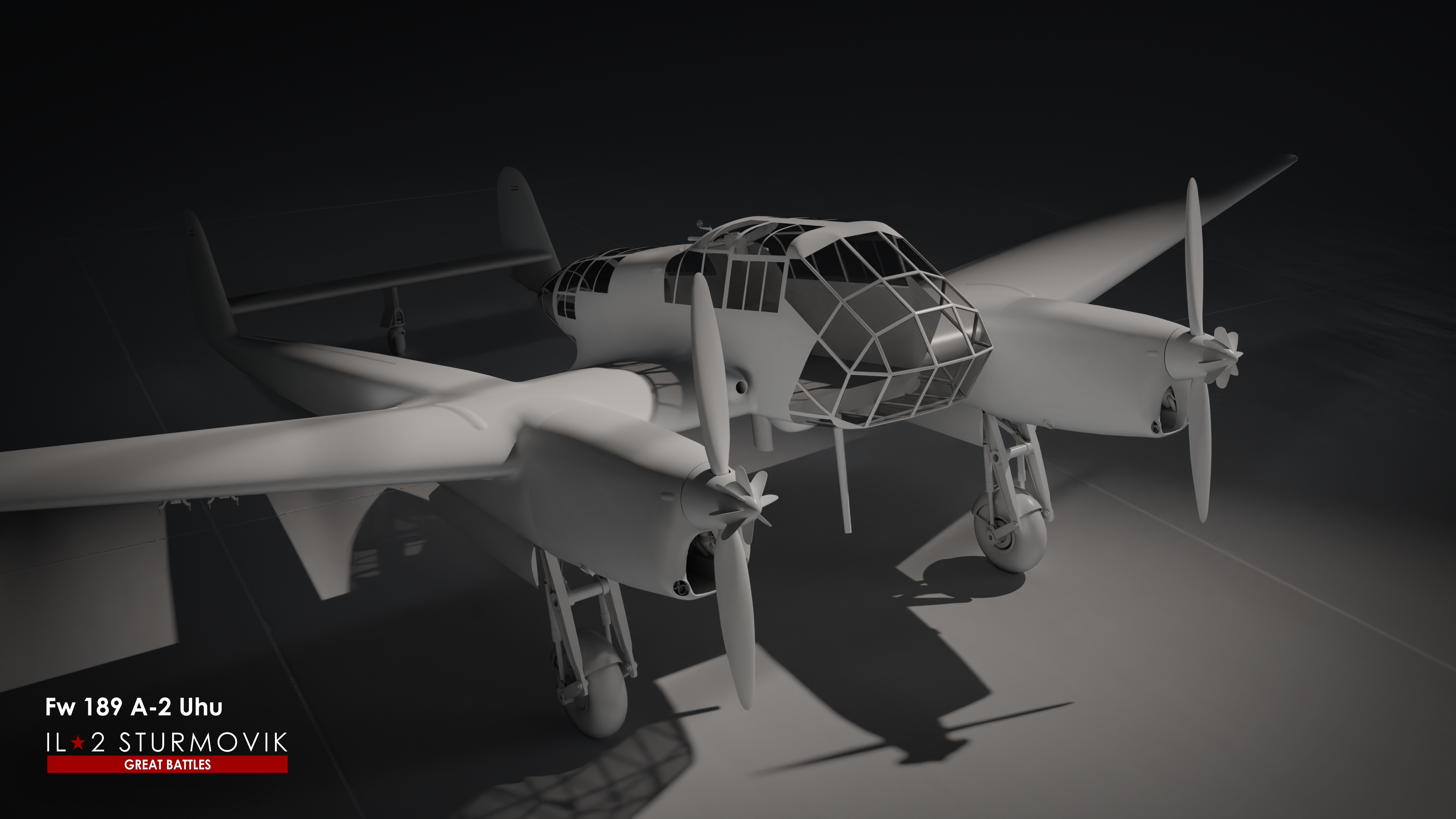
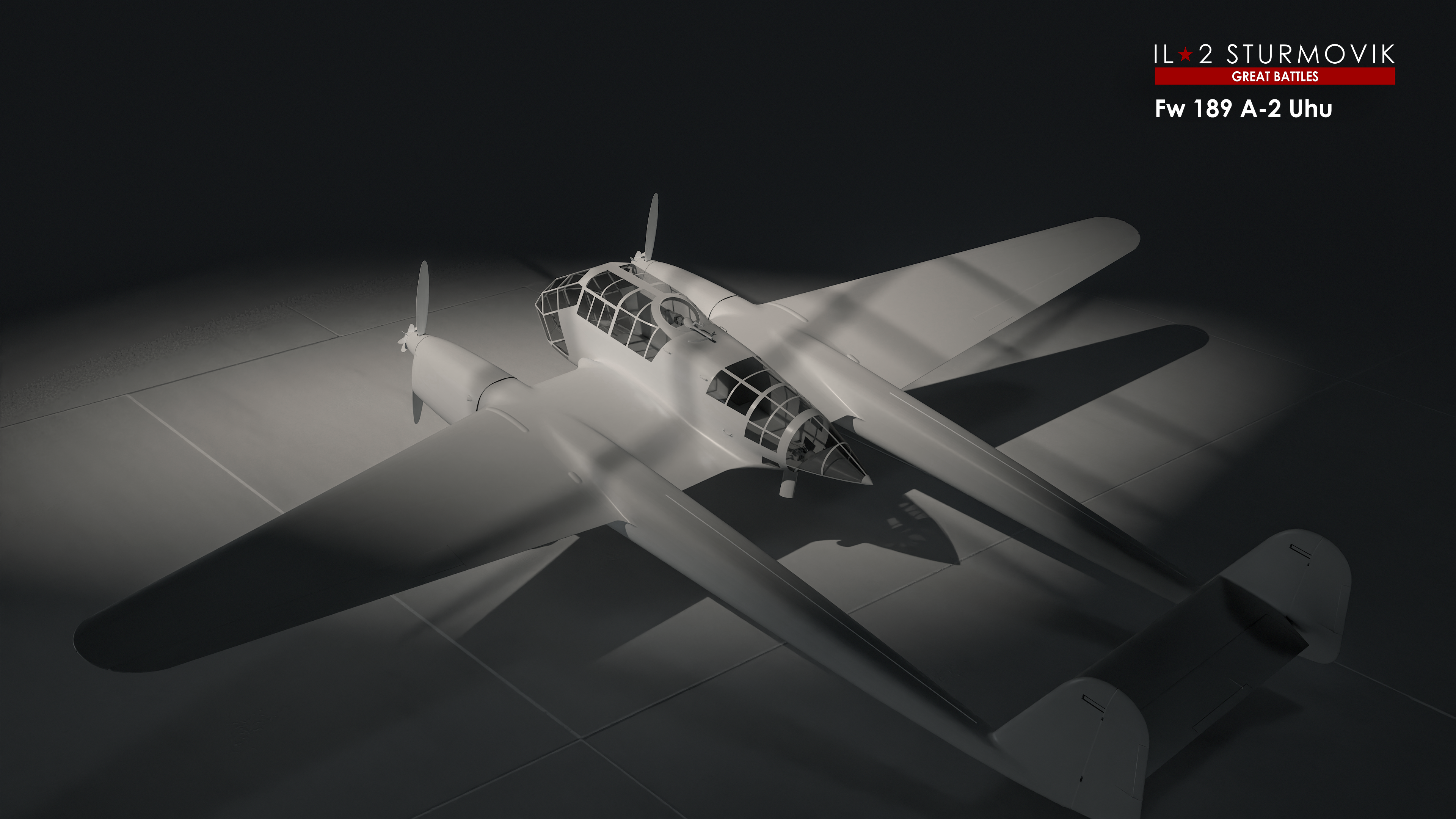
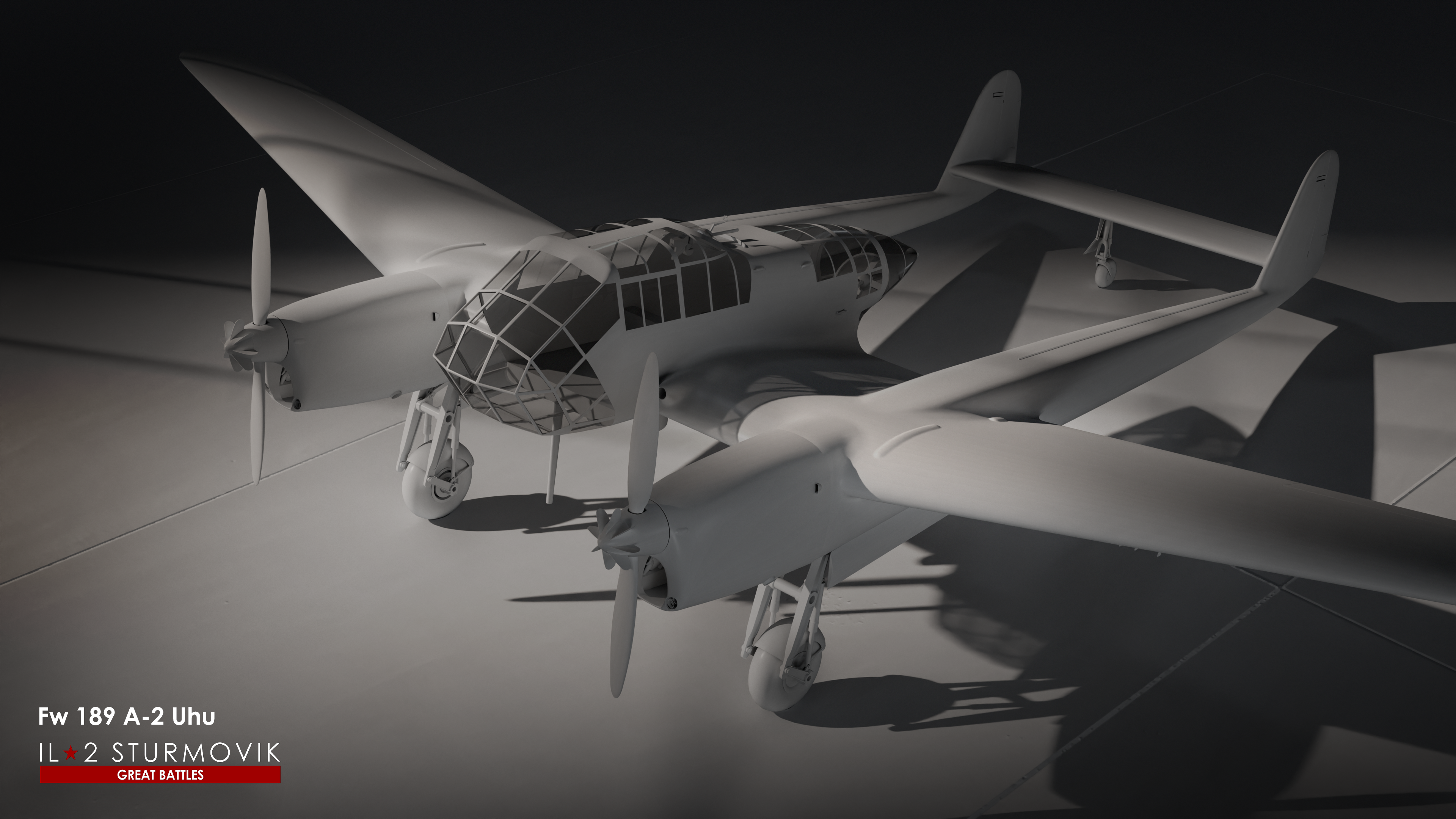
The famous German twin-engine, three-seat reconnaissance aircraft, the Focke-Wulf Fw-189 Uhu, completes this list. This aircraft was used by the Luftwaffe primarily on the Eastern Front, where it earned the nickname "Rama" (Frame) from Soviet troops for its distinctive twin-boom design. It is arguably the most famous frontline reconnaissance and spotter aircraft of World War II. It performed a wide range of missions, including reconnaissance, photo reconnaissance, artillery spotting, and bombing. To accomplish these tasks, it was equipped with a wide range of equipment: a radio, a camera, a radio compass, a bombsight, bomb racks, and two forward-firing 7.92 mm machine guns. The crew consisted of three airmen: a pilot, a navigator/observer, and a gunner/radio operator. The gunner controlled a tail-mounted defensive machine-gun mount of an original design, featuring a rotating cone-shaped turret that housed the machine gun on a pintle-mounted mount, allowing a variety of firing arcs. Due to its high aspect ratio and lift, as well as its low takeoff weight, the Uhu possessed outstanding horizontal maneuverability and was considered a challenging target for fighters in maneuver combat.
We'll reveal more details about these aircraft later, including Work-In-Progress screenshots. We're also working on the Gulf of Finland map seasons and expanded Pilot Career mode timeframes for Odessa and Leningrad, which we plan to share more about later. Also, next week we plan to release a small content update that will add the individual scenario missions for the remaining Siege and Liberatation aircraft that didn't have them yet and two interesting payware historical campaigns. Stay tuned for more news and updates!